Credit: Instagram
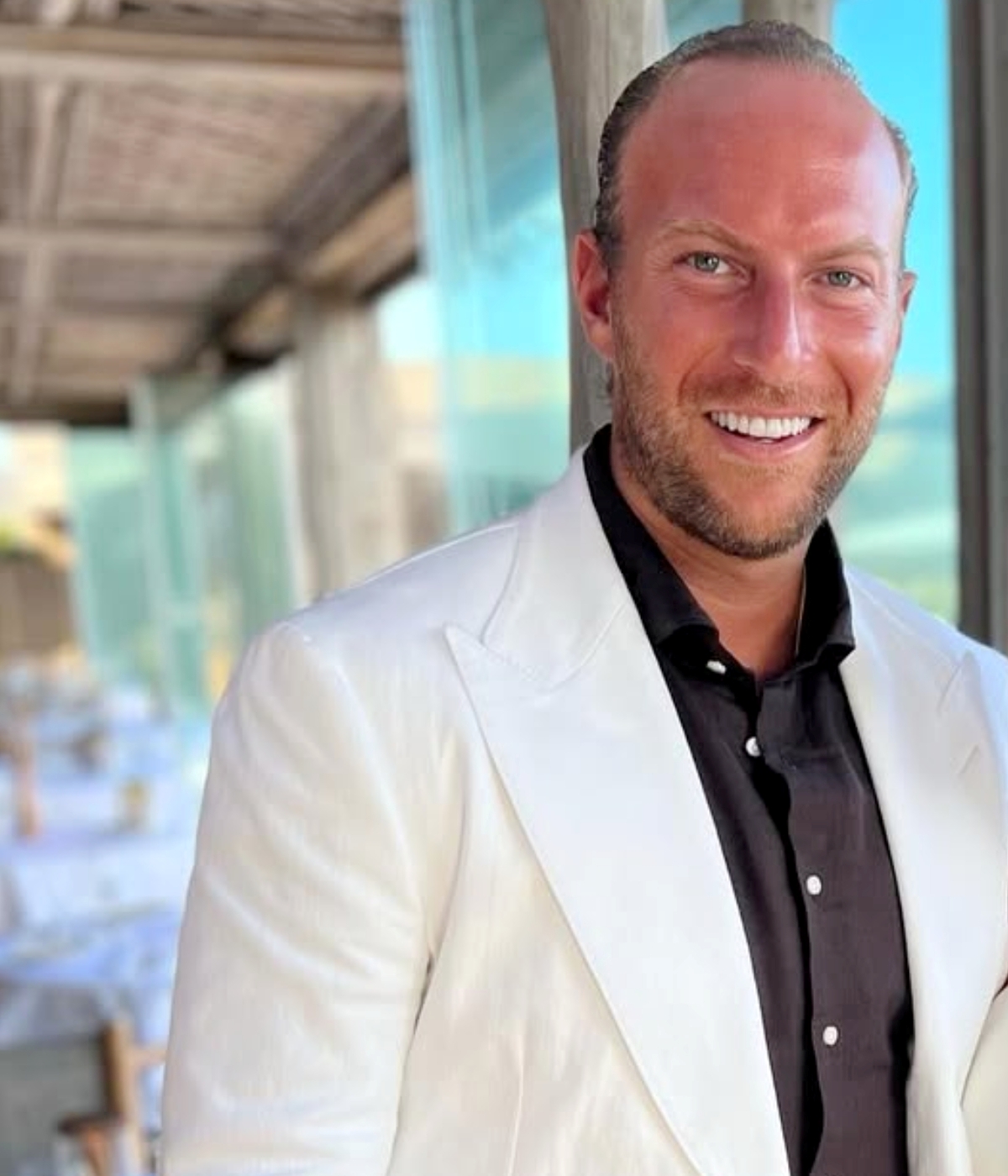
Brendan Fitzpatrick, known for his role on E!’s Rich Kids of Beverly Hills and brief marriage to Morgan Stewart, 38, is being sued for over $80 million.
In a number of different lawsuits from former investors, a bank, and others, the 37-year-old realtor is accused of using a Ponzi scheme made up of a fraudulent Sri Lanka-based mining company, Carbonatik LLC, and bogus property development ventures to elicit hefty investments.
According to a June 16 report from The Post, Brendan reportedly used fake bank statements and appraisals to con investors and entrepreneurs into buying into his company, even though it seemingly didn’t exist.
One man, Richard Segerson, recalled meeting Brendan, who previously worked for Mauricio Umansky‘s real estate firm, The Agency, in early 2024. At that point, the former reality star revealed that he was on a “buying spree,” and he boasted significant capital as he introduced the concept of Carbonatik, which he founded with Dr. Joseph Swaminathan in 2022.
At the time of their meeting, Brendan told Richard that he was in control of valuable graphite assets in Sri Lanka. And because of the increasing demand for these minerals in electric vehicles and AI infrastructure, Richard believed it to be a great opportunity. Richard then went to his friend, commodities entrepreneur, Dave Smith, and, together, they invested $500,000, expecting a 120 percent return in just months’ time.
Richard and Dave received plenty of documentation related to their investment from Brendan, who is married to Canadian billionaire heiress Chloe de Serigny and has one child, daughter Charlotte Palmer Fitzpatrick, including mining rights documentation. However, Richard began to get suspicious after a guarantee letter regarding his returns didn’t arrive.
“He was like, ‘Oh, of course, I’ve got $25 million set aside; I’ll send you the information. Never came,” Richard alleged.
As Richard and Dave continued to court buyers for the minerals they invested in to the tune of about $1 million, their doubts about Carbonatik grew.
“We were going to Mar-a-Lago and meeting these generals, and with the Defense Logistics Agency, and selling this stuff that they had no intention of delivering,” Dave shared. “They’re pissed off at us because this turned out to be fake, and these are serious people.”
As the cracks began to show, Dave arranged to travel to Tanzania, where some of the mines were located, in September 2025 to verify that the operations and warehouses were legitimate.
“Everything’s set up, and they’re supposed to pick me up Tuesday at the airport, but while I’m in flight, before I even get there, all of a sudden that changes,” Dave recalled, noting that he was ghosted by his driver upon arrival.
“These bonded warehouses that they had mentioned, and the logistics companies, and all these contacts… nobody, there’s nothing there, they got nothing,” he continued.
During his visit, Dave went to each location, but they didn’t exist.
Richard and Dave then learned of a $4.4 million lawsuit filed in June 2025 by a former investor, Premiere Properties, against the company, claiming Carbonatik borrowed $1.9 million before defaulting. Later, a court ruled in favor of Premiere Properties and awarded Carbonatik with a $4,425,500 judgment.
“He’s faked it his whole life,” Dave declared. “He’s fake it till you make it.”
By November 2025, Richard and Dave filed suit against Carbonatik for their $500,000 investment.
The lawsuit against Brendan and Carbonatik claims that the “defendants’ refusal or inability to show Smith any actual operations or genuine agreements is irreconcilable with their prior representations that they owned the Mannar Basin, controlled tens of millions of tons of reserves, maintained thousands of tons of above-ground inventory, had secured investor financing and a forthcoming $250 million credit line, and were ‘ready to . . . deliver’ in 2025.”
In response to the case, Carbonatik denied all claims and counter-sued for breach of contract, defamation, tortious interference, and other offenses.
They are now awaiting trial.
Energy entrepreneur Jason Charles, who spent $200,000 on travel expenses while promoting Carbonatik, also felt wronged by Brendan and the business.
“I literally was sending letters to President Trump,” he told The Post. “I went to Mar-a-Lago twice for Department of Defense meetings to tell them that we had access to these rare earth elements. I’m trying to help the country. I’ve literally had Dr. Joseph on calls with Raytheon [a major U.S. defense contractor].”
“I’ve lost a tremendous amount of time, a tremendous amount of credibility and respect,” Jason went on. “Ever since the day I met this guy, I’ve literally said he’s going to save America with the Chinese and rare earth elements, and all of it couldn’t have been more of a scam.”
More recently, in February 2026, four Belgian investors sued Brendan and Carbonatik for roughly $70 million related to a failed hotel development in Greece, accusing them of breach of contract.
That same month, Fastmarkets Global filed suit against the company, accusing it of failing to pay more than $10,000 for contracted services, and an interior design company requested $50,000 in damages after Brendan filed two separate credit card disputes for furniture they delivered, which led to a refund.
Even Chase Bank sued the business for $300,000 in unpaid credit card debt before the case was closed.